Lower electricity bills
Every kilowatt-hour your panels make is one you don't buy at the retail rate.
Incentives and savings
Rules for solar incentives change, and they differ from home to home. Here's a calm overview of what's shifting and where long-term savings still come from.
What has changed
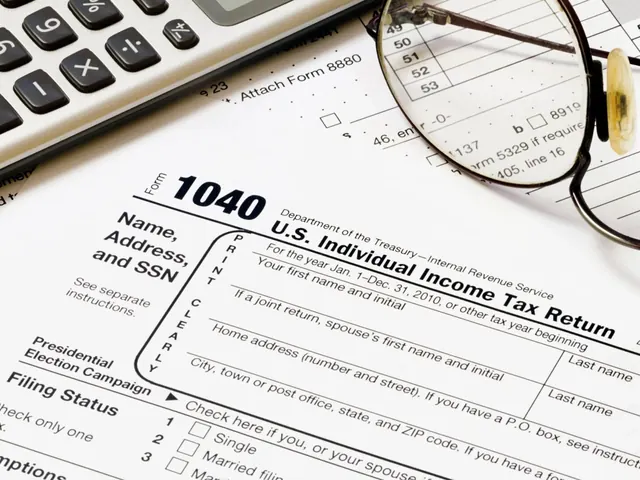
Federal incentives for homeowners have changed in recent times, and they may no longer apply to new residential solar systems. Other programs may come and go, and their rules can differ by location and by your circumstances.
Because of that, we don't promise any particular credit or rebate. We'll tell you what we know, and we'll be clear about what we don't.
Where savings still come from
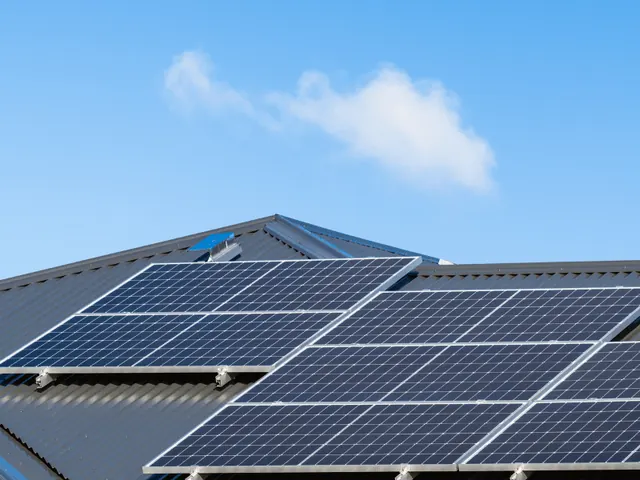
A well-designed system can still make sense without a tax benefit. These are the places we look.
Every kilowatt-hour your panels make is one you don't buy at the retail rate.
Where your utility offers net metering or similar credits, extra power you export can reduce your bill.
Homes with well-maintained solar can be more attractive to buyers who want lower running costs.
Regular servicing keeps panels, inverters and heaters working efficiently for more years.
A battery keeps key circuits on during outages, which is a benefit beyond the bill.
Avoiding an oversized system means you only pay for what you will actually use.
Please note
Harborlight Solar can explain how a system works and what it may save you on bills, but we don't give tax advice. Incentive rules vary and can change without notice.
Please confirm what applies to you with a qualified tax professional before you make a decision.
We'll look at your bills and your roof and give you honest numbers, without leaning on incentives.
This is a demo site, not an actual production website.
Harborlight assistant
Usually replies instantly